29 November 2026
Before and after kitchen hood photos: what they show for compliance
Presented by @kitchensafetyjournal
Commercial kitchens are busy places, and the exhaust system works quietly in the background every time a grill, fryer, or range is used. Grease, smoke, heat, and cooking vapors move upward into the hood, then through ductwork and fans. Over time, residue builds up. That buildup can affect air movement, create fire risk, and make an inspection harder to manage. Before and after photos give restaurant teams a clear visual record of what changed during maintenance and why the work mattered.
Photos are not just nice to have. In a compliance setting, they help turn a service visit into evidence. A written note may say that a hood or duct was cleaned, but images show the condition before the work and the result afterward. When records are kept alongside service reports, they can help staff, managers, inspectors, and other decision makers understand the state of the system without relying on memory or vague descriptions.
What before and after photos actually document
A before photo shows the condition of a visible surface or component at a point in time. In commercial kitchen maintenance, that may include the interior surfaces of a hood, grease baffles, filter areas, accessible duct sections, or nearby exhaust components. The after photo shows the same area once cleaning or maintenance has been completed. The value comes from comparison. Two random images taken from different angles may look impressive, but they do not prove much if the viewer cannot tell whether the same area is being shown.
Good documentation is specific. A photo of a hood from across the room may give general context, while a closer image can show grease accumulation along seams, edges, and corners. A picture of a filter before cleaning can show heavy loading, while the after image shows the openings clear. For larger systems, each major area may need its own pair of images. That approach creates a trail that is easier to follow than one general shot of a kitchen.
Lighting also matters. Kitchen lighting can be bright in some spots and dim in others, and grease can reflect light in ways that hide texture. A consistent angle and similar lighting make the comparison more useful. Labels or file names can identify the area and date, but details should stay factual. The goal is not to make the work look dramatic. The goal is to record what was present and what changed.
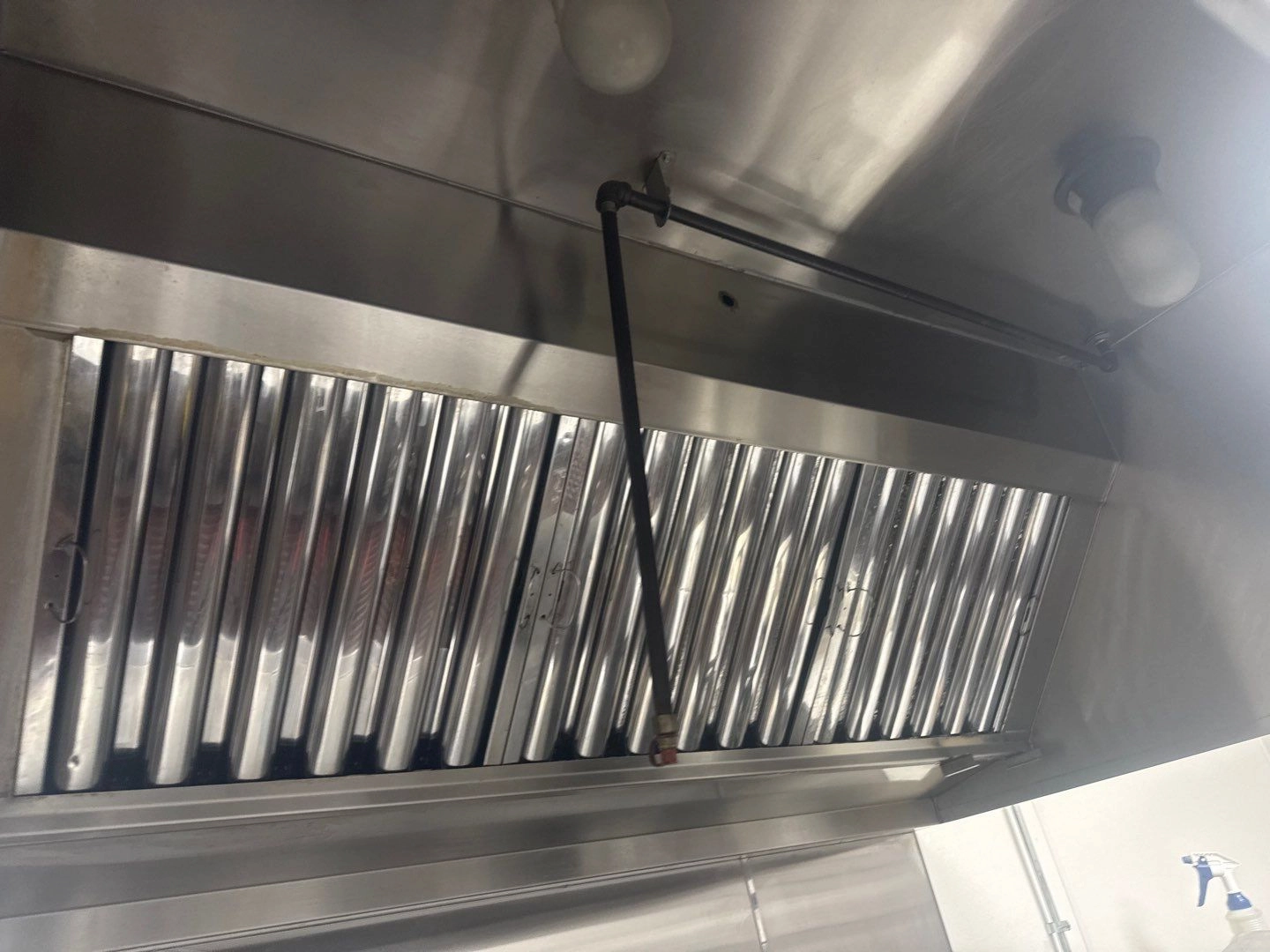
Why photos matter for commercial hood compliance
Commercial hood compliance is about more than keeping a kitchen looking tidy. It involves managing the exhaust system in a way that supports fire safety, indoor air quality, and local requirements. Depending on the authority having jurisdiction, rules may draw from NFPA 96 or local fire codes. A fire marshal or inspector may ask about cleaning history, access, system condition, and records. Clear photos can support those records by showing the condition of components that are otherwise difficult to describe.
Photos also help restaurant teams make better maintenance decisions. Grease accumulation does not appear at the same rate in every kitchen. Cooking volume, menu style, equipment use, and operating hours all affect how quickly residue builds. A kitchen that does a lot of charbroiling may need closer attention than one with lighter cooking. When photos are reviewed over time, patterns become easier to see. Certain areas may repeatedly collect grease, filters may load faster than expected, or access points may show signs of wear. Those observations can shape the maintenance schedule.
This is where compliance focused exhaust cleaning becomes more than a service description. It connects the physical work with the records that show the work was done. A service report can list the areas cleaned, observations made, and any concerns noted. Photos add a visual layer to that report. Together, they create compliance records that are easier to review later, whether the review happens during an inspection, a management audit, or an internal check.
How the photo record fits into a service visit
During a typical maintenance visit, the technician or service provider checks the hood and exhaust path according to the scope of work. Depending on the system, that may involve removing filters, inspecting accessible ductwork, cleaning internal surfaces, checking fan areas, and noting any damage or unusual buildup. Some parts may not be safely accessible without special equipment or trained personnel. Those limits should be clear in the record so the photos do not imply more than they show.
Before images are usually taken while residue is still visible. After images are taken once the agreed work is complete. The pair should be organized so the same area can be compared easily. A photo of the right side of a hood before cleaning should be paired with the right side afterward, not with a wide shot of the whole canopy. If a concern is found, such as a damaged filter or heavy buildup in a hard to reach area, it can be noted separately. Any repair that is outside the cleaning scope should be handled by a qualified professional.
A useful record also includes context. The date of service, the area shown, and the type of work performed help make sense of the images. Inspection frequency may be influenced by local rules, insurance requirements, cooking volume, and the condition of the system. Photos do not replace those requirements, but they help show how the system was managed between visits. When questions arise later, a clear record reduces guesswork.
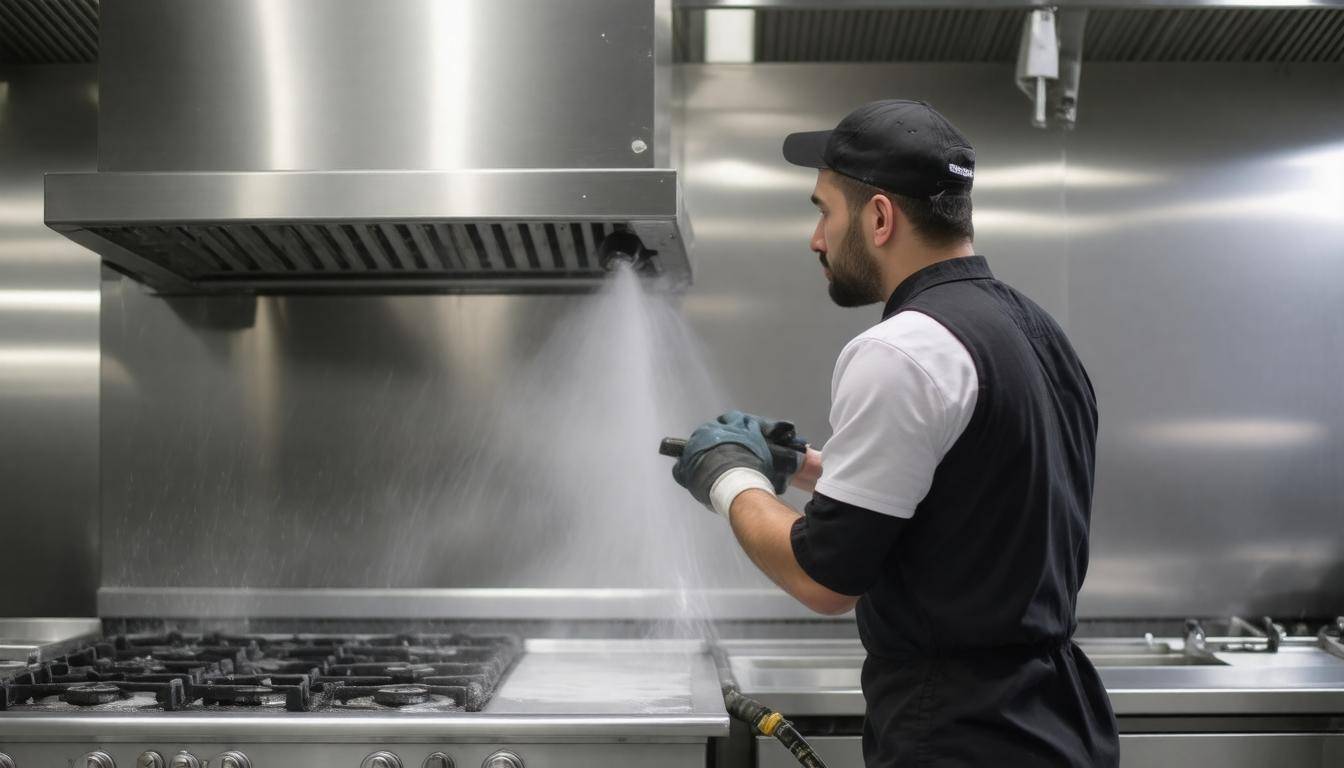
What inspectors and managers look for
An inspector is generally interested in whether the system is maintained and accessible, and whether the required records are available. A manager may be more focused on operational continuity, fire risk, and proof that scheduled work happened. Both can benefit from images that are clear and organized. Vague, blurred, or poorly labeled photos may be less helpful than a smaller set of well chosen images.
Useful photos tend to show a few key things. They identify the area, show the condition before work, show the same area afterward, and avoid misleading gaps. They also match the written service report. If a report says a duct area was cleaned, the photo set should include that area where access allowed. If a component was not serviced, the record should not suggest that it was. Accuracy matters more than volume.
For multi location restaurant groups, photo records can help compare maintenance patterns across sites. One kitchen may have similar equipment to another but very different grease accumulation because of menu or cooking volume. Reviewing images side by side can prompt better questions about operating practices and cleaning intervals. It can also show whether a particular maintenance approach is working consistently. That does not mean photos should be treated as a substitute for technical assessment. They are one part of a broader record.
Common mistakes with maintenance photos
One common mistake is taking after photos only. They may look clean, but without a before image they reveal little about what changed. Another mistake is taking too many unfocused images, which makes the record hard to use. A stack of similar photos with no clear labels can bury the few images that actually matter. Cropping can also cause confusion if it removes the context needed to recognize the area.
Timing can be a problem too. If before photos are taken after some work has already started, the comparison may overstate the difference. If after photos are taken before the area is fully finished, they may understate it. Photos should also be stored in a consistent place with the related service report. A record is much less useful if the images are on one device, the report is in an email, and no one knows where either belongs.
Privacy and safety should be considered as well. Kitchens may have staff, customers, or sensitive operational details in the background. Images should be framed to show the equipment and area being documented, without unnecessary people or personal information. No one should be asked to work at height or near moving equipment just to get a better photograph. If a component cannot be viewed safely, the limitation belongs in the report, not in a risky image.
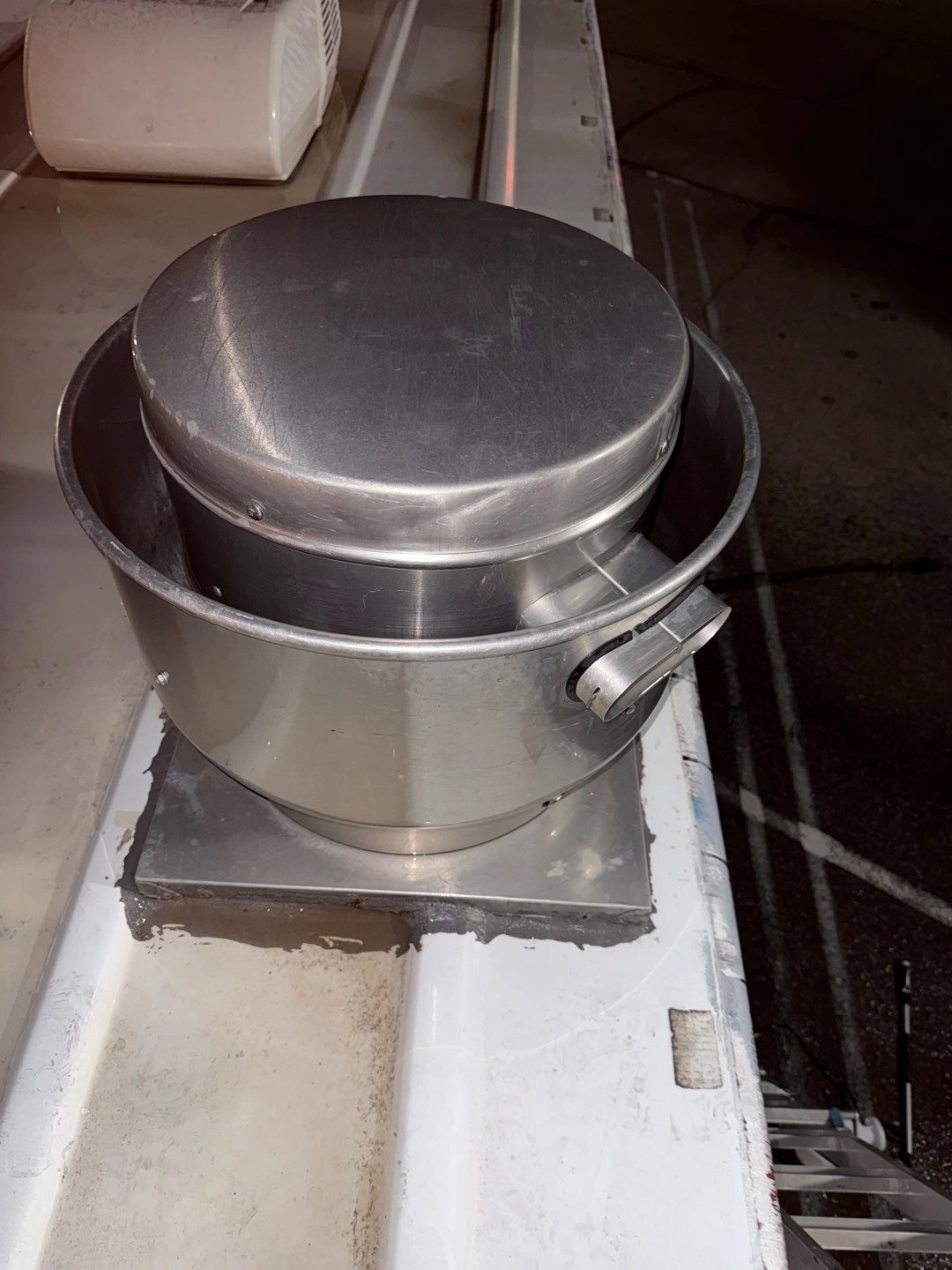
How to read the photos later
When reviewing before and after photos, focus on the condition of the system rather than the neatness of the image. Look for consistent areas, visible residue, damaged parts, blocked openings, and signs that grease is collecting in the same places. Compare the images with the service report and any notes about restrictions or follow up. A clean after photo is useful, but it is most useful when it can be tied to a specific area and a specific service date.
Over several visits, the photo record becomes a timeline. That timeline can show whether buildup is being controlled, whether inspection frequency is appropriate, and whether changes in cooking volume are affecting the exhaust system. It can also support conversations about repairs or adjustments that need a qualified professional. For restaurants, the practical value is simple: better records make maintenance easier to understand, easier to discuss, and easier to verify.
Before and after photos do not replace professional judgment, code requirements, or a properly maintained exhaust system. They make those things easier to see. In a field where much of the important work happens out of sight, a clear visual record helps connect daily kitchen activity with long term maintenance and compliance.